
Determining the Number of Solar Panels Needed for a Pennsylvania Home
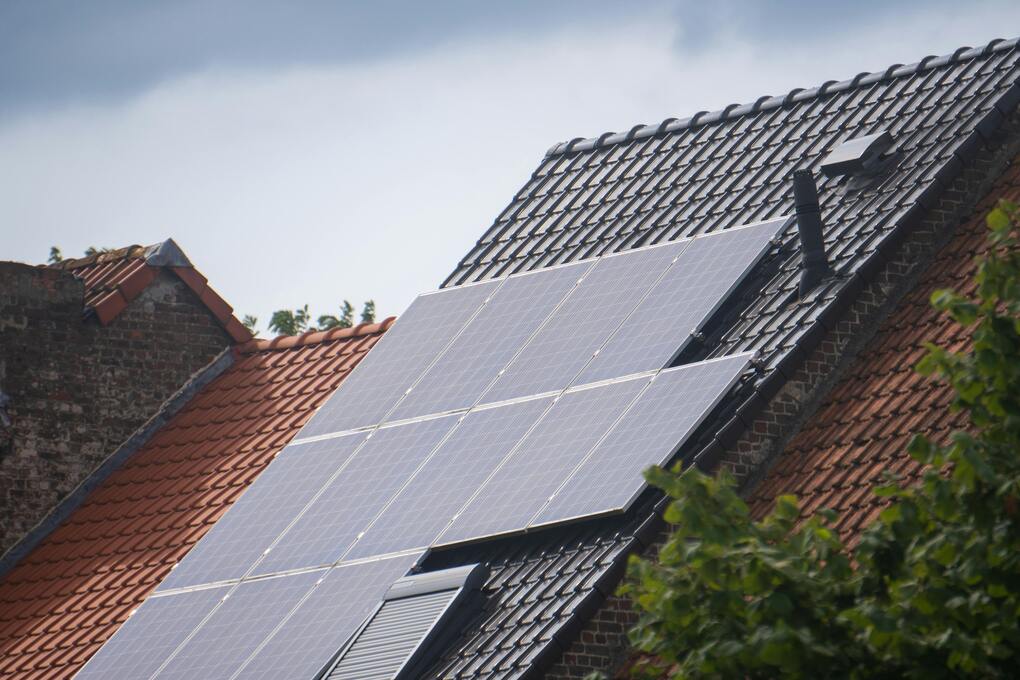
If you're considering solar panels for your Pennsylvania home, you'll need to weigh several factors before making a decision. Your household's energy needs, the local climate, and even the direction your roof faces all play a part. It's not just about slapping a few panels on your roof; calculating the right number takes careful planning. Wondering how to match your electricity usage with the perfect system size? There's more you should know before moving forward.
Key Considerations for Solar System Sizing
When sizing a solar system for a home in Pennsylvania, it is essential to consider several key factors that will influence the required number of panels.
First, evaluate your household's electric usage, typically expressed in kilowatt-hours (kWh) per month. This measurement serves as the foundation for determining your energy needs.
Second, assess the peak sun hours your roof receives, as this directly affects the solar energy production potential. Factors such as roof size, the amount of available square footage, and orientation should also be taken into account, as they will dictate how many panels can be installed.
Additionally, attributes like panel efficiency, measured in watts, and the production ratio relevant to Pennsylvania’s climate play a critical role in calculating the system’s overall power output.
It is also important to consider financial aspects, including your budget, installation costs, available tax credits, and the feasibility of battery storage or backup systems. These considerations collectively impact both the potential savings and the number of panels required for an effective solar installation.
Step-by-Step Guide to Calculating Solar Panel Requirements
To determine the number of solar panels required to meet your home’s electricity needs, begin by collecting your electricity bills from the past year. These documents will provide insights into your annual energy consumption, which is essential for accurate calculations.
First, divide your total annual usage by 12 to ascertain your monthly kilowatt-hour (kWh) consumption. To find your daily electrical usage, further divide the monthly figure by the average number of days in a month.
Next, estimate the peak sun hours specific to your location; for instance, in Pennsylvania, this averages around 4.5 hours per day.
The formula to estimate the number of solar panels needed is as follows:
Number of Panels = (Monthly Use) / (Peak Sun Hours × Panel Wattage / Production Ratio).
It is important to note that the panel wattage should correspond to the specific panels you intend to install, as different panels have varying efficiency ratings.
Additionally, factors such as available roof space, the efficiency of the chosen panels, and any limitations based on roof size should be taken into consideration.
Personal budgets may also influence your decision regarding the number and type of panels to install. By examining these variables carefully, you can ensure a reliable estimate of your solar panel requirements.
Energy Usage Patterns and Their Impact on Panel Needs
The electricity consumption of a household plays a significant role in determining the number of solar panels required for effective energy generation. Consumption patterns can fluctuate considerably; smaller homes may utilize approximately 200 kilowatt-hours (kWh) monthly, whereas larger homes can exceed 2,000 kWh.
Factors such as the size of the home, total square footage, and the type of electrical appliances used contribute to the overall energy demand, thereby influencing the quantity of solar panels necessary to offset utility expenses.
In general, homes with higher monthly electricity consumption will need a greater number of solar panels to adequately cover their energy needs and potentially reduce their electricity costs. In instances where roof space is limited, opting for panels with a higher power output or considering battery storage solutions for backup may be necessary.
Additionally, it's important to consider financial aspects related to solar panel installation. Costs will vary depending on several factors, including installation expenses, the cost per watt of the panels, and the availability of tax credits or incentives.
Evaluating these elements is essential for determining the most cost-effective solar solution for a given household.
Sunlight Exposure and Geographic Influences in Pennsylvania
In Pennsylvania, the geographic location and climate significantly influence the potential for solar energy generation. The state typically receives between 3.5 to 4.5 peak sun hours per day, which is lower compared to many other regions in the United States. This reduced sunlight availability may result in a decreased power output from solar systems, necessitating a greater number of Solar Panels Pennsylvania to meet household electricity demands.
Several factors must be considered when determining the appropriate number of panels for a residential solar system. These include the total square footage of the property, the average monthly energy consumption measured in kilowatt-hours (kWh), the production ratio of the solar system, and any relevant local ordinances that may affect installation.
The amount of sunlight that a roof receives can vary significantly based on its orientation and shading from surrounding structures or trees. In some instances, homeowners may find that they can effectively utilize a smaller number of panels, while others may need to explore backup energy options to ensure adequate power supply.
A thorough assessment of your solar grid system is essential for optimizing energy savings and ensuring efficient operation. It is advisable to consult with a professional to evaluate all relevant factors in order to make informed decisions regarding solar panel installation.
Roof Space, Size, and Panel Placement Factors
A strategic approach to solar installation requires a comprehensive assessment of your roof's available space and its suitability for solar panel placement. In Pennsylvania, factors such as roof size, pitch, and orientation significantly influence the number of panels that can be installed and the corresponding electricity generation potential.
Standard solar panel dimensions are approximately 5.5 by 3 feet, and considerations such as the total square footage, shading from nearby structures, and the roof's angle will help determine feasible coverage and potential savings.
For maximum efficiency, homes that face south and experience minimal shading typically yield the highest savings on energy costs.
Additionally, it is important to evaluate the structural integrity of the roof, as well as the total daily sunlight exposure, as these factors will determine the appropriate system size required to meet specific electric grid demands.
A careful analysis of these elements is essential for an effective solar installation.
Appliance Energy Demand and Special Use Cases
Evaluating your home's energy consumption is a critical step in determining the appropriate size for a solar system. Key appliances, such as refrigerators, electric water heaters, and electric vehicles, significantly influence your overall energy demand.
It is important to account for the annual kilowatt-hour (kWh) usage of these devices, especially if your home includes a home office or other specialized equipment that may have varying energy requirements.
Moreover, it is essential to recognize that energy demand can fluctuate seasonally. For example, air conditioning loads typically increase during the summer months, while heating demands rise in winter. These variations should be incorporated into the calculations for the number of solar panels required.
Additionally, practical considerations such as roof size, total square footage of your home, and the number of sunlight hours your roof receives play a crucial role in determining the feasible number of solar panels that can be installed.
Various factors must be analyzed to ascertain your system's maximum size based on your residential energy needs, ensuring an accurate and efficient solar solution.
Financial Planning and Long-Term Solar Savings
Financial planning is a critical component of successful solar energy investments in Pennsylvania. The average household consumes approximately 10,791 kWh annually, making it essential to align the energy output of solar panels with household electricity requirements. The cost of installation generally averages around $2.58 per watt; therefore, factors such as roof size, available square footage, and the amount of sunlight received are significant in determining the appropriateness of a solar system.
Net metering is a valuable financial tool that allows homeowners to receive credits for any excess energy their solar panels produce and feed back into the grid. This mechanism can effectively reduce monthly utility expenses.
However, individuals must consider their personal budgets, potential tax credits, as well as a variety of influences on system efficiency including geographic location, hours of sunlight, and limitations related to residential roof space.
By carefully evaluating these factors, homeowners can make informed decisions regarding their solar investments, which can lead to long-term financial savings.
Limitations and Restrictions Affecting Solar Panel Installation
Pennsylvania presents a conducive environment for solar energy adoption; however, various limitations and restrictions may influence the feasibility of installing solar panels on residential properties.
Local regulations often impose size restrictions based on the available roof space or overall square footage of the home. As such, it is essential to assess the amount of sunlight received by the roof, taking into account potential obstructions such as trees and adjacent buildings, which can diminish the photovoltaic system's efficiency and overall power output.
Additionally, utility company policies regarding net metering can impact the financial viability of solar installations. These regulations may limit both the number of panels homeowners can install and the savings from excess energy generated.
Other considerations include the capital costs associated with installation, the cost of panels per watt, and the homeowner's specific budget constraints. Together, these factors can significantly affect the extent to which solar energy can contribute to meeting household energy needs each month.
Conclusion
When sizing a solar system for your Pennsylvania home, take time to assess your energy usage, sunlight exposure, and roof suitability. Think about appliance demands, future energy needs, and local rules before making a decision. With careful planning, you’ll find the right number of panels to meet your goals. Upfront costs are balanced by long-term savings and environmental benefits, making solar a smart investment. Always consult with professionals to maximize your system’s effectiveness and ensure compliance.